A Traveler's Guide to Participating in a Traditional Tea Ceremony in Kyoto, Japan
Want to experience a real tea ceremony in Kyoto? From the proper way to hold the bowl to the meaning behind the movements, this is your essential guide.

LAST UPDATED


LAST UPDATED
Stay present in every serene moment. Journey eSIM gives you smooth, high-speed data across Japan and 190+ countries—no fuss, just Zen-level connectivity.
How to Attend a Traditional Tea Ceremony in Kyoto
Kyoto. It is a city that moves at a different pace, a place where the modern world seems to gently yield to the weight and beauty of ancient tradition. It’s a city of serene rock gardens, mystical bamboo groves, and geishas gliding silently through the lantern-lit streets of Gion. To visit Kyoto is to be given a chance to step into a quieter, more deliberate, and more graceful world. And there is no experience that captures the essence of this world more perfectly than the traditional Japanese tea ceremony, or chanoyu.
To a first-time visitor, the idea of a tea ceremony might seem simple: it’s about drinking a cup of tea. But it is so much more than that. It is a spiritual ritual, a form of moving meditation, and a profound expression of Japanese aesthetics and philosophy. Every object, every gesture, every sound has a deep, symbolic meaning. It is an art form that has been perfected over centuries.

Participating in a tea ceremony is one of the most authentic and moving cultural experiences you can have in Japan. But it can also be intimidating. What are the rules? Will I do something wrong? This guide is here to demystify the process. We’ll walk you through the etiquette, the meaning behind the ritual, and the modern way to find and book an experience that will become a cherished memory of your trip.
The Heart of the Ceremony: Harmony, Respect, Purity, and Tranquility
The Japanese tea ceremony is not about quenching your thirst. It is a spiritual practice rooted in the principles of Zen Buddhism. The core philosophy is captured in four words: Wa, Kei, Sei, Jaku.
-
Wa (Harmony): Harmony between the guests, the host, the objects, and nature. The tea room is designed to be a harmonious space, often with a view of a small garden.
-
Kei (Respect): Respect for all things and people. This is shown through the bows, the careful handling of the utensils, and the gratitude expressed for the tea.
-
Sei (Purity): Purity in both a physical and spiritual sense. The tea room is impeccably clean, and the ritual is meant to purify the mind of worldly concerns.
-
Jaku (Tranquility): The inner peace and calm that is the ultimate goal of the ceremony. It’s a state of mind achieved through the appreciation of the simple, present moment.
Understanding these principles is the key to appreciating that you are participating in something much deeper than just a beverage service.

What to Expect: A Step-by-Step Walkthrough
While ceremonies can vary, most experiences offered to travelers will follow a similar, simplified structure.
-
The Arrival and Purification:
You will be asked to remove your shoes before entering the tea room. The space will be simple and minimalist, with tatami mat flooring. You may be guided to a stone basin in the garden to symbolically purify your hands and mouth before entering.
2. The Sweet Treat (Wagashi):
Before the tea is served, you will be presented with a small, beautiful, and seasonally appropriate Japanese sweet called a wagashi. These are works of art in themselves, often shaped like flowers or leaves. The sweetness of the wagashi is designed to complement the slightly bitter taste of the matcha tea that will follow.
3. The Preparation of the Tea:
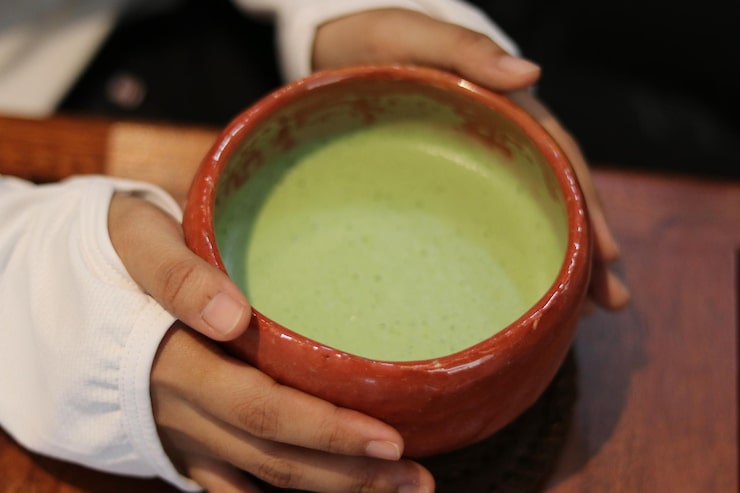
This is the heart of the ritual. Your host will perform a series of precise, graceful, and highly choreographed movements to prepare the tea. They will ritually clean the tea bowl (chawan) and the bamboo scoop (chashaku). They will then scoop the vibrant, finely ground green tea powder (matcha) into the bowl, add hot water, and whisk it into a frothy, beautiful consistency using a special bamboo whisk (chasen). Watch this process with quiet attention. Every movement has been practiced and perfected.
4. Receiving and Drinking the Tea:
This is where a little knowledge of the etiquette will enhance your experience.
-
The host will place the tea bowl in front of you. The "front" of the bowl, which is often the most beautifully decorated part, will be facing you.
-
You should pick up the bowl with your right hand and place it in the palm of your left hand.
-
Out of respect, you should rotate the bowl slightly (about two quarter-turns clockwise) so that you do not drink from its decorative front.
-
You will drink the entire bowl of tea in a few sips. It is considered polite to make a slight slurping sound on your final sip to indicate that you have finished and enjoyed the tea.
-
After you finish, wipe the rim of the bowl where your lips touched with your right fingers, and then rotate the bowl back so the front is facing the host before you place it down.
Don't stress about getting this perfectly right. A good host in an experience designed for travelers will gently guide you. The effort and respect you show are what truly matter. For a more detailed look at the etiquette, cultural sites like [Japan-guide.com] offer excellent, in-depth explanations.

How to Find and Book Your Tea Ceremony
Kyoto is the heartland of the Japanese tea ceremony, and there are many wonderful places to experience it. You will not be able to just walk into one; you absolutely must book in advance.
-
Look for Experiences, Not Just Tea Houses: Search online for "Kyoto tea ceremony experience for beginners" or "English-speaking tea ceremony Kyoto." This will lead you to establishments that specialize in introducing this beautiful art form to foreign visitors in a welcoming and understandable way. Places like Camellia Tea Ceremony, En, and Tea Ceremony Ju-An are highly regarded.
-
Use Online Booking Platforms: Sites like Airbnb Experiences, Viator, and Klook are excellent and easy ways to find and book a wide variety of tea ceremony experiences, from simple, one-hour introductions to more elaborate ceremonies that include wearing a kimono.
-
Check Reviews: Read recent reviews from other travelers to get a feel for the experience and the host's ability to communicate the cultural significance of the ceremony.
The Journey Advantage: Your Key to a Deeper Connection
Planning and participating in this deeply cultural experience requires a bit of research and logistical coordination. How do you find these highly-rated experiences? How do you navigate the winding, unnamed streets of Gion to find the small, hidden tea house you've booked? How do you look up a quick etiquette question right before you go in?
This is where a Journey eSIM for Japan becomes an invaluable tool for the culturally curious traveler. It provides you with the seamless, high-speed data you need to be a prepared and respectful participant.
-
It’s Your Research Assistant: A Journey eSIM gives you the freedom to research and book your tea ceremony on the fly. You can stand in your hotel room, read reviews, compare experiences, and book your spot for the next day with just a few taps.
-
It’s Your Navigator to Serenity: The most authentic tea houses are often tucked away in quiet, historic neighborhoods with confusing address systems. Your phone's map app, powered by your Japan eSIM, is your essential guide, ensuring you arrive on time and stress-free for your appointment. A late arrival would be a significant breach of etiquette.
-
It’s Your Digital Etiquette Coach: Have a last-minute panic about which hand to hold the bowl with? A quick, discreet search on your phone right before you enter can provide a reassuring refresher, allowing you to participate with more confidence.
-
It Powers Your Entire Japanese Adventure: From navigating the complex Tokyo subway system to using the Google Translate camera feature on a restaurant menu, a Journey eSIM for Japan is the invisible infrastructure that makes a modern trip to this incredible country smooth and easy. If your trip is part of a larger Asian tour, a Journey Asia Regional eSIM provides the same seamless connectivity across the continent.
A Journey eSIM is the tool that bridges the gap between your modern travel style and Japan's ancient traditions, allowing you to access the information you need to participate in them more deeply and respectfully.

Key takeaways:
-
A Japanese tea ceremony (chanoyu) in Kyoto is a deeply spiritual and cultural ritual, not just a way to drink tea. It is based on the principles of harmony, respect, purity, and tranquility.
-
As a guest, you are expected to follow a simple set of etiquette rules, such as how to receive and drink from the tea bowl, as a sign of respect.
-
You must book your tea ceremony experience in advance. Look for sessions specifically designed for foreign visitors, which are often conducted in English.
-
A Journey eSIM for Japan is an essential tool for a culturally rich trip, allowing you to research and book the best experiences, navigate to hidden locations, and get last-minute etiquette reminders.
-
Embrace the silence, appreciate the deliberate movements, and focus on the present moment. This is the key to truly understanding the magic of the ceremony.
Conclusion:
In a world that is constantly rushing, the Japanese tea ceremony is a powerful and beautiful antidote. It is a quiet rebellion against the noise. It is an invitation to slow down, to be present, and to find a profound sense of peace in the simple, graceful act of preparing and receiving a bowl of tea. It is an experience that will stay with you long after the taste of the matcha has faded, a serene and beautiful memory from the heart of ancient Japan.
Need some time to finalise your holiday plans? Share your email to get deals for your next Journey delivered to your inbox

